

By Leeanne Seaver
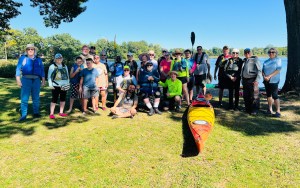
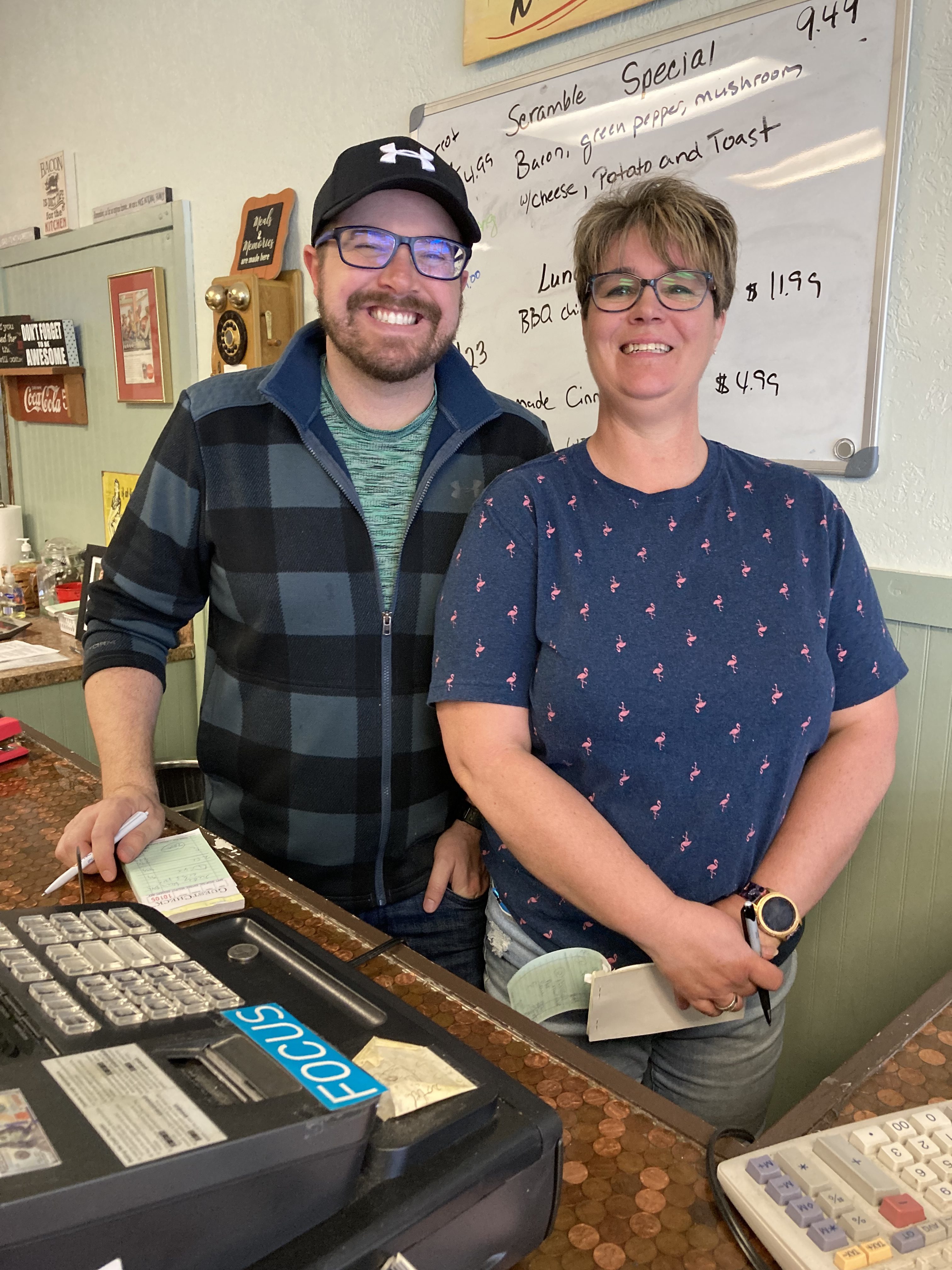
If you regularly meet friends for breakfast at the Rise-n-Dine; join a cycling group at the Sunset Lake trail for a ride; or just grab your favorite barstool at the Hideaway for happy hour, you’re already familiar with the benefits of a “third place.” Even if you never knew it had a name, the third place is where everybody knows your name, (props to the old sit-com “Cheers”).
It’s not home, it’s not work, but a third place where you belong in a group of people who regularly show up for each other. Ask anyone where they usually hang out with their people for conversation, food, and fun—the answer is very likely to be their third place.
As a social construct, this isn’t ground-breaking. Third places go back to Neanderthals around a campfire. What’s new is the emerging science pointing to the critical importance of third places to us as a species. Humans are social creatures, and “social connection is a basic human need that’s essential to our overall health and wellbeing,” says Dr. Lloyd Appell, who practiced medicine in South Kalamazoo County for more than 40 years. “Support from families and friends brings the chance for healthier, happier, and longer lives—better than any medicine and no long-list of side effects!”
Who knew joining your besties at Mackenzie’s for cookies after school could actually be good for your health?! Indeed, having fun and spending meaningful time together is proving to be good for the whole community—and beyond. “Our nation is facing an epidemic of loneliness and communities are suffering from a loss of trust, low levels of engagement, despair, and political polarization,” says author Richard Kyte in his book “Finding Your Third Place: Building Happier Communities”. “You can’t have friendship without spending time together… you can’t have a third place without regulars.”
Whether it’s an eatery, a book club, a gym, a class, or a coffee shop, when regulars show up at their third place, “It is often a conversation among friends (bonding) that generates new ideas and provides the initial impetus for a project,” Kyte wrote. How many great ideas began as notes jotted on a napkin over such a conversation?
Such aspirations brought some friends together to explore ways the local community could create and support vibrant community spaces in Vicksburg. “We discussed ways people can gather, connect, and engage outside of home and work,” explained Lisa Phillips, an environmental engineer who moved with her husband Mike to Vicksburg “close enough to walk into town for groceries or a beer.” Phillips, who’s excited about the third places concept, believes “fostering social interactions can strengthen community bonds and enhance the quality of life in our village. Why not be creative and proactive in encouraging third places that promote experiences like this in Vicksburg?”
With that in mind, a plan inspired by the global PARK(ing) Day movement is now in place for a Pop-Up Parks activity in conjunction with downtown Vicksburg’s anniversary festivities on May 17. Pop-Up Parks will transform ordinary parking spaces into lively, creative environments that encourage passers-by to step into the space to meet new people.
“As folks move from one parking space to another, we’re hoping they get a better feel for the character of this town that places a high priority on social connection,” says Jackie Koney, one of the activity’s organizers. “This is just one playful way to reimagine how we use our shared spaces, and to celebrate the kind of spontaneous, everyday connections that make a community feel alive.”