


Williamston is located east of Lansing on Grand River Avenue (M-43) and has a population of about 3,900. The Red Cedar River runs through the middle of town.
The area started as the crossroads of the Grand River and Saginaw Indian Trails. It was first occupied by a small band of the Saginaw tribe of the Chippewa people which by the mid-19th century used the area as a “summer village.” They used Williamston for planting crops, burying their dead, and an annual spring gathering,
The area was settled by Europeans in 1834 when Hiram and Joseph Putnam moved briefly to the area from Jackson. They spent less than one year in the area, planting and then harvesting one crop of oats.
In 1839, the Putnams sold their land to Oswald B., James M., and Horace B. Williams, brothers from New York. James M. “Miles” Williams, who built a dam, sawmill and later a grist mill in town, eventually platted the land in 1845 and named the town “Williamstown” after himself. It is unknown how it lost the “w” in its name.
The town was a popular stop on the Grand River trail that later became a plank road from Detroit to Lansing in the 19th century. Because the primary means of transportation at that time was the horse and buggy and because the trip from Detroit to Lansing took more than one day, Williamston became a convenient overnight stop.
The town was incorporated as a village in 1871, and later as a city on April 1, 1945.
In driving back from my old hometown of Waterford on I-69, we would sometimes stop at The Antique Market of Williamston just off the highway. This was my glimpse at Williamston, and I had not ventured into downtown Williamston in 25 years or more.
After a recent trip to visit my sister and brother, rather than hopping on the highway at M-59 and US-23, I decided to take the old Grand River Avenue through Howell, Fowlerville, Webberville and Williamston and enjoy the ride. It didn’t hurt that it was a gorgeous Michigan day, perfect for taking the old, two-lane highway through these classic small towns.
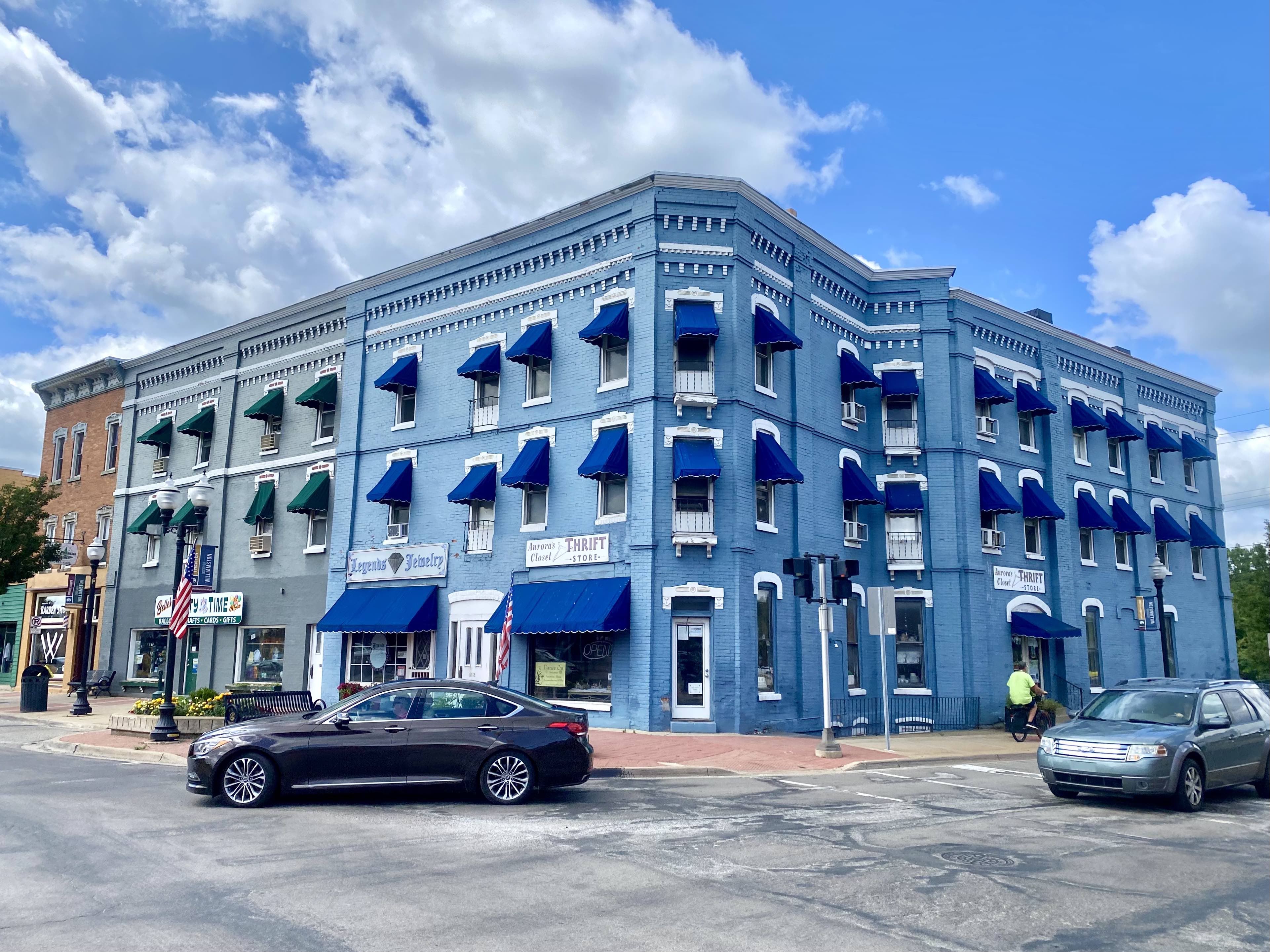
Williamston was the highlight of my small-town travels. I was pleasantly surprised at how downtown Williamston has been rejuvenated, and I spent an hour walking through the downtown area, stopping into a handful of interesting business.
My first stop was at the Sunday farmers market next to the Red Cedar River that once housed a dam and gristmill. Looking closely, a few traces of the old dam can still be seen.
I treated myself to a delicious blueberry milkshake at Spad’s Twisters and peeked into a handful of interesting eateries, which will come in handy for my next visit.
Ellie’s Country Kitchen appears to be a great place for breakfast and lunch for the whole family. The Bistro had quite an extensive menu and Tavern 109 in the former National Bank Building has been repurposed into a classic tavern with updated flair. The interior includes exposed brick, original columns and plank flooring. Zynda’s is a longtime locally owned restaurant and bar serving Southwestern fare.
I walked by the classic Sun Theatre, built in 1947, and would love to see a movie there someday. Barrett’s Books in the historic Barrett’s Building offers a large collection of quirky and unusual titles. The Studio shop carries a large selection of Michigan made gifts. The Artisan Alcove Gallery and Gifts has a very eclectic selection of unique, one-of-a-kind pieces of art. My favorite store in Williamston was Vintage Sound, packed with vintage stereo equipment, radios, guitars and vinyl records – it was like walking into a music museum!
After heading out of town, I drove past the popular Old Nation Brewery that brews the well-known and very good M-43 India Pale Ale.
My trip would fit well into Robert Frost’s famous, “The Road Not Taken” poem – “I took the road less traveled by, and that has made all the difference.”